In the ongoing evolution of our cities, the concept of urban regeneration has transcended simple renovation. It is a critical process for adapting our public realms to meet the pressing social and environmental needs of the 21st century. As architects and urban planning officials, we recognize that the true value of a city is not in its imposing skyscrapers or intricate road networks, but in the quality of its public spaces—the squares, streets, and parks where community life flourishes.
Creating a truly habitable space in an increasingly dense and often inhospitable urban environment requires a fundamental shift in perspective. It means moving beyond a car-centric model to one that puts people first, leveraging key design elements like urban shade and purposeful street furniture to foster comfort, community, and well-being. This approach is not merely about aesthetics; it is a strategic investment in the social, economic, and ecological future of our cities.
The Strategic Imperative of Pedestrian-Centric Design
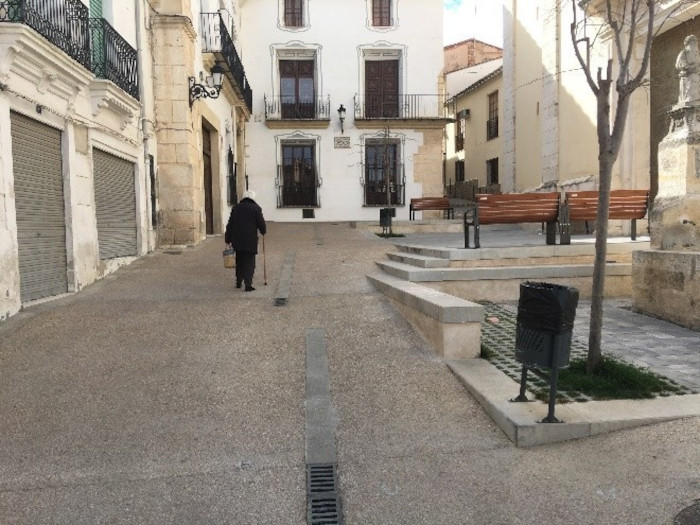
Effective urban regeneration begins with a clear commitment to prioritizing walking and human-scale activity over all other modes of transport. This doesn’t mean eliminating vehicles entirely, but rather rebalancing the urban fabric to favor the pedestrian. By designing streets that are safe, comfortable, and inviting to walkers, we unlock a cascade of benefits. A walkable city encourages physical activity, reduces reliance on private cars (and thus, pollution), and directly supports local commerce by increasing foot traffic.
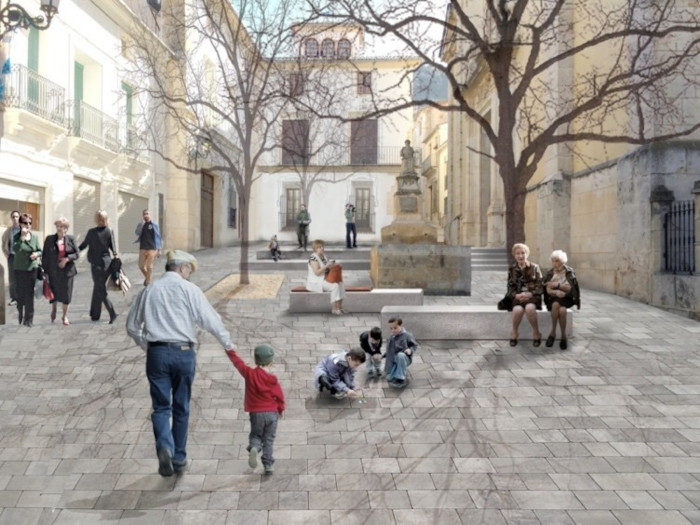
This strategic reorientation is the foundation for creating genuinely habitable space. When a street is a destination in itself, rather than just a thoroughfare, it creates a demand for high-quality public areas where people can linger. This is where the tactical use of shade and seating comes into play, transforming sterile environments into living, breathing urban oases.
Designing for Habitable Space: A Toolkit for Regeneration
Creating a thriving public realm involves a holistic and data-driven approach. It requires a deep understanding of how people move, gather, and interact. For architects and planners, this means using every available tool to design spaces that are not only beautiful but also resilient and highly functional.
Cultivating Urban Shade: The Power of Strategic Greening
One of the most powerful tools in any urban regeneration project is the strategic introduction of urban shade. Trees are more than just decorative elements; they are essential infrastructure. They combat the urban heat island effect, improve air quality by filtering pollutants, and provide a sense of natural tranquility in a man-made environment. When planted thoughtfully along pedestrian routes, they create comfortable microclimates that encourage walking and prolonged use of public areas, even during the warmest parts of the day.
The placement of trees and other vegetation is a science. It involves analyzing solar paths, wind patterns, and local climates to maximize their cooling effect and energy-saving potential. By integrating green infrastructure into our designs from the outset, we can create public spaces that are not only more sustainable but also more inviting. For more information on the benefits of urban forestry, you can consult research from organizations such as the U.S. Forest Service (external link: https://www.fs.usda.gov/ccrc/topics/urban-forests).
Enhancing Public Realms with Sustainable Urban Furniture
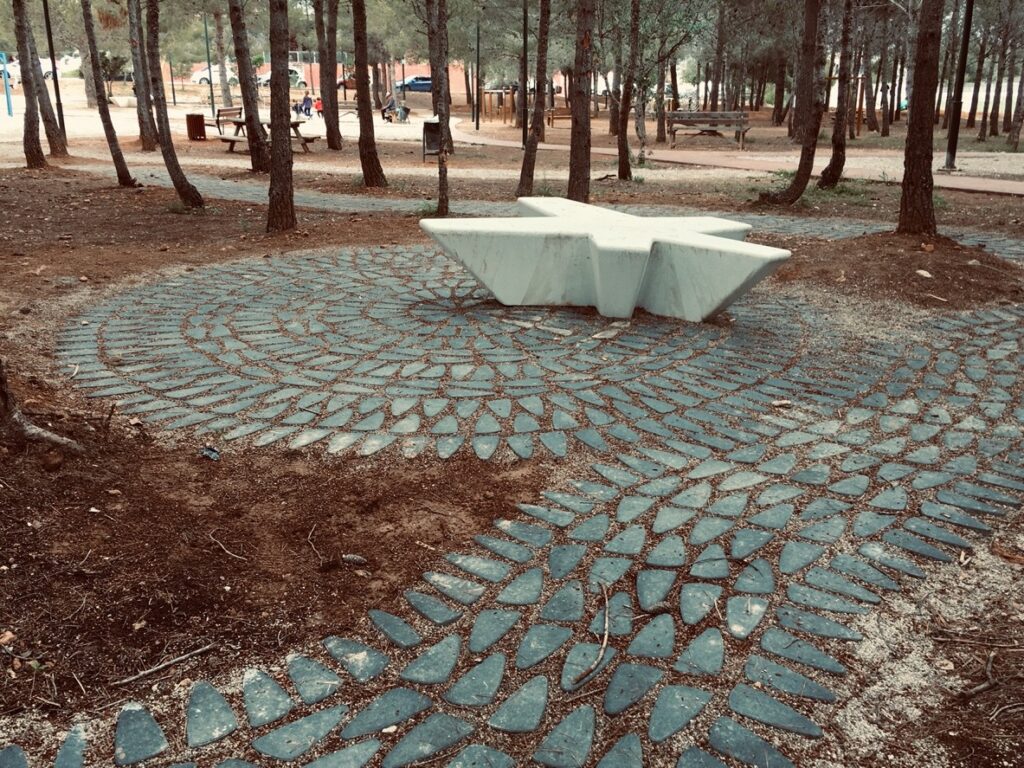
Urban furniture is the connective tissue of a public space. It provides the means for people to engage with their surroundings and with one another. Benches, tables, public lighting, and bike racks are not static objects; they are vital components of a habitable space. When placed strategically—under a canopy of trees, facing a public fountain, or at a bustling intersection—they give people a reason to pause and enjoy the moment.
The choice of materials is critical. By using sustainable, low-maintenance, and locally sourced materials, we can not only reduce our environmental footprint but also strengthen local economies and create a distinct sense of place. A well-designed bench, for example, made from recycled materials or locally harvested timber, communicates a commitment to both people and planet, adding a layer of authenticity to the urban regeneration effort.
Integrated Infrastructure: The Foundation for Regeneration
A successful urban regeneration project is not just a surface-level upgrade. It requires a comprehensive overhaul of the underlying infrastructure. Modernizing outdated water lines, improving drainage systems to prevent flooding, and installing efficient public lighting are all vital steps in creating a resilient and future-proof public realm. This holistic approach ensures that the new, beautifully designed spaces are supported by a robust, hidden network that guarantees their long-term viability and functionality.
For architects and urban planners, the challenge lies in weaving these elements—pedestrian-centric design, urban shade, sustainable furniture, and integrated infrastructure—into a coherent whole. This requires not only technical expertise but also a creative vision that prioritizes human experience.
Ultimately, urban regeneration is about more than aesthetics; it’s about recovering and redefining our cities’ most valuable resource: their public spaces. By creating environments that are comfortable, safe, and inviting, we foster stronger, healthier, and more vibrant communities. As you plan your next project, consider a partnership that provides the expertise to transform your vision into a truly functional and beautiful reality.
Let us help you design the future of urban living. Contact us to discuss your next regeneration project.